New York City, New York
Flatiron Building
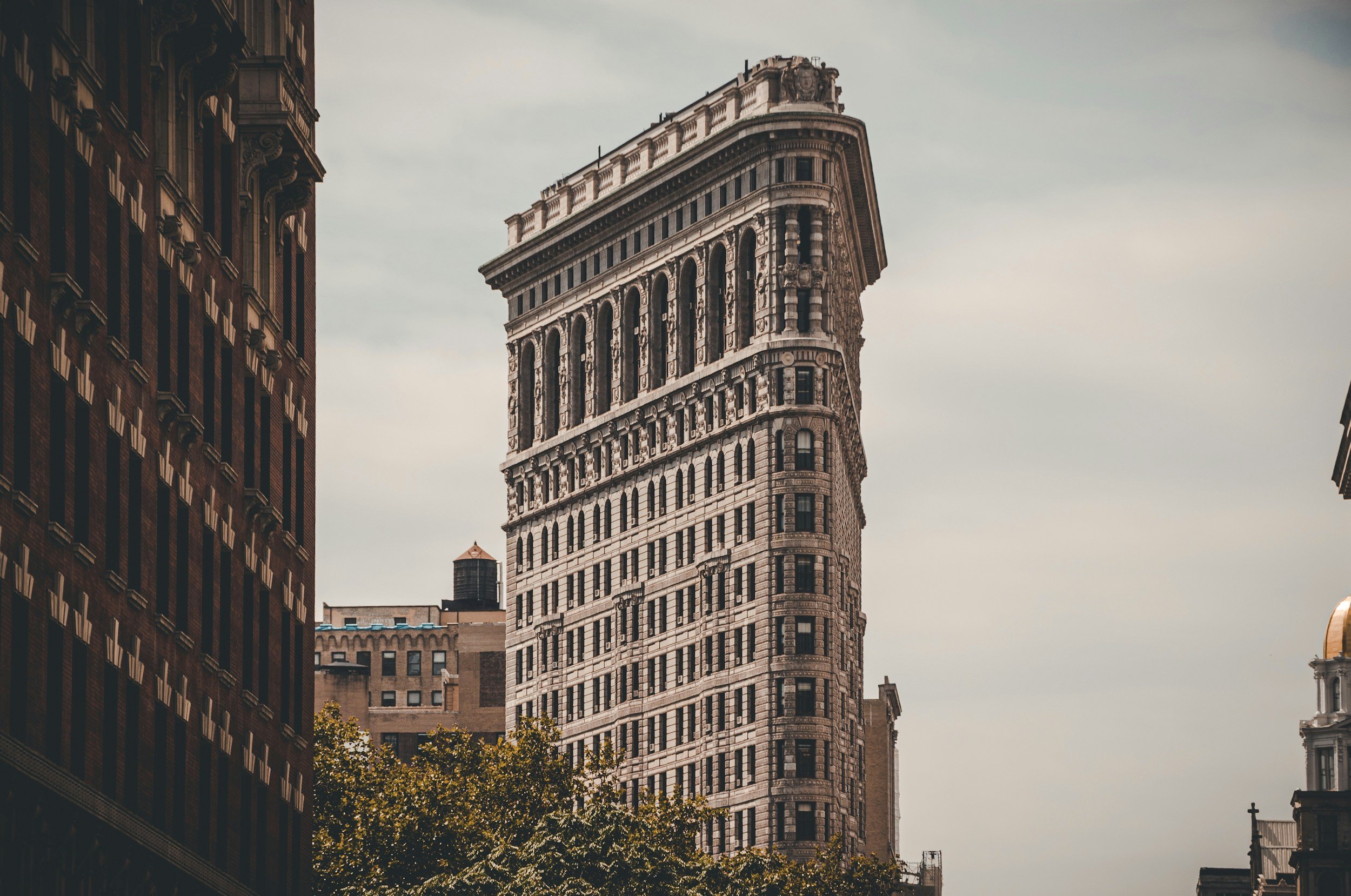
The Flatiron Building, completed in 1902, is one of New York City’s most recognizable landmarks. Located at the intersection of Fifth Avenue and Broadway, its triangular shape and Beaux-Arts style made it a groundbreaking example of early skyscraper design. Its bold form has made it an enduring symbol of New York’s architectural evolution.
-
Standing 22 stories tall, the Flatiron Building was one of the first buildings in the city to use a steel-skeleton frame, allowing it to reach unprecedented heights at the time. Designed by architect Daniel Burnham, the building’s narrow footprint and wind-defying structure drew both admiration and skepticism upon its debut.
-
While the Flatiron itself is a preserved historic structure, the surrounding Flatiron District has undergone significant gentrification. Once a quieter business area, it has transformed into a hub for tech companies, upscale restaurants, and luxury housing—shifting the character and affordability of the neighborhood for longtime residents and small businesses.
-
The Flatiron Building has been featured in countless films, TV shows, and photographs, becoming a cultural icon synonymous with Manhattan. It’s often viewed as a visual metaphor for the city itself—dynamic, unique, and forward-thinking—cementing its place in both architectural and pop culture history.
-
While the interior of the Flatiron Building is not currently open to the public, visitors can admire it from the bustling streets of the Flatiron District. Nearby, the Flatiron Plaza offers excellent photo opportunities, and guided walking tours often include the building as a highlight, along with other nearby architectural and historical sites.
Chrysler Building
The Chrysler Building, completed in 1930, stands as a masterpiece of Art Deco architecture and one of the most iconic skyscrapers in the New York City skyline. Originally commissioned by Walter Chrysler, the automobile magnate, it was briefly the tallest building in the world and remains a symbol of innovation and style.
-
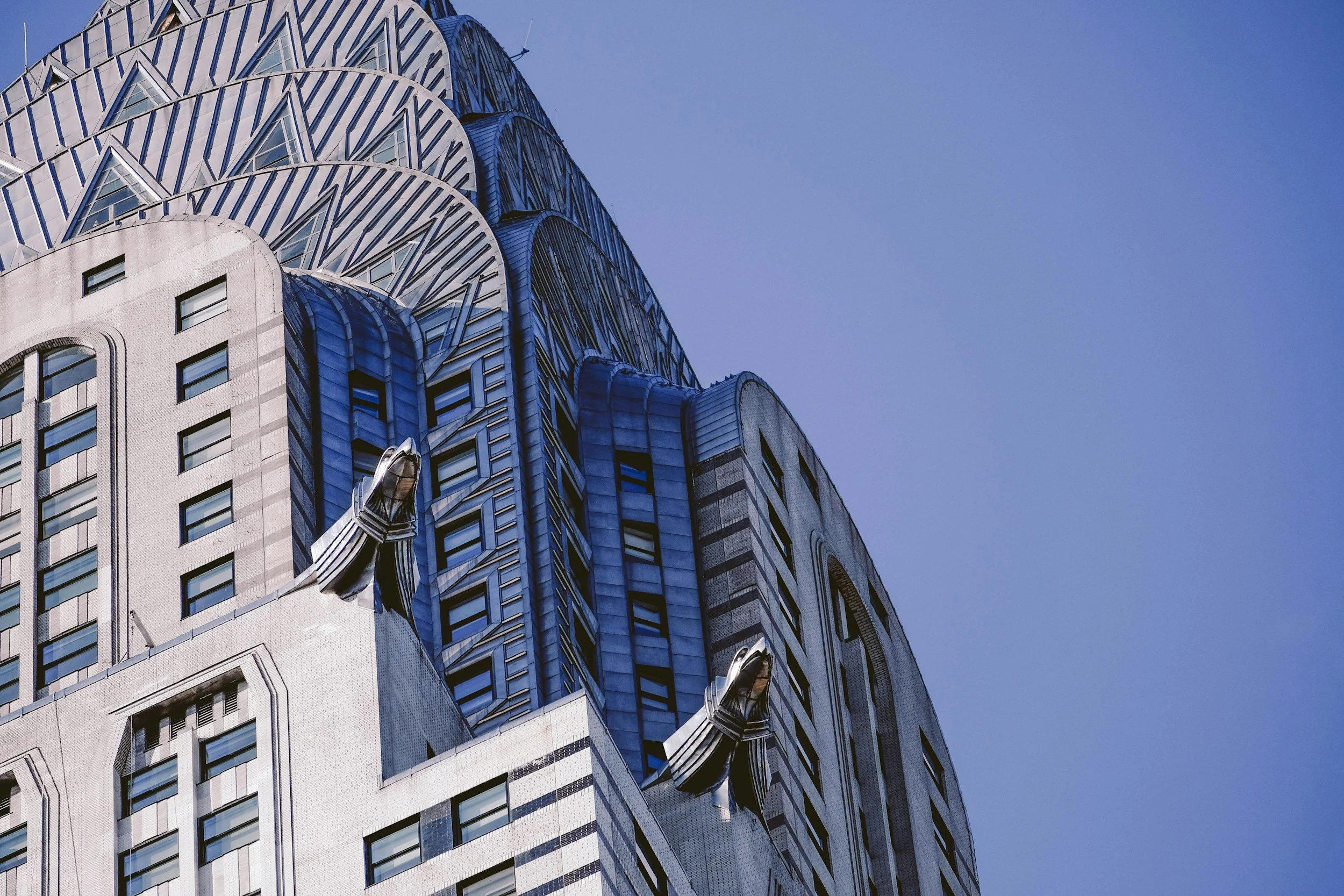
Designed by architect William Van Alen, the building is famous for its terraced crown made of stainless steel, featuring sunburst motifs and sleek eagles modeled after Chrysler car hood ornaments. It rises 77 stories and is celebrated for its ornate lobby, geometric detailing, and gleaming spire—an engineering marvel built in secret to outdo rival skyscrapers.
-
While the Chrysler Building itself is a protected landmark, the Midtown East neighborhood around it has seen extensive redevelopment. Large commercial projects and luxury conversions have reshaped the area, leading to increased property values and a shift in the character of nearby spaces once home to smaller businesses and historic hotels.
-
The Chrysler Building has long captured the public imagination and is often cited as one of the most beautiful buildings in the world. It represents the spirit of the Roaring Twenties and the ambition of the early 20th century. It has appeared in countless films, photographs, and artworks, symbolizing the height of New York’s architectural golden age.
-
While public access inside the building is limited to the lobby, visitors can admire its Art Deco interiors, including marble walls, decorative ceiling murals, and intricate elevator doors. The building is best viewed from 42nd Street or from nearby rooftops, and many walking architecture tours in Midtown feature the Chrysler Building as a key stop.
Chinatown
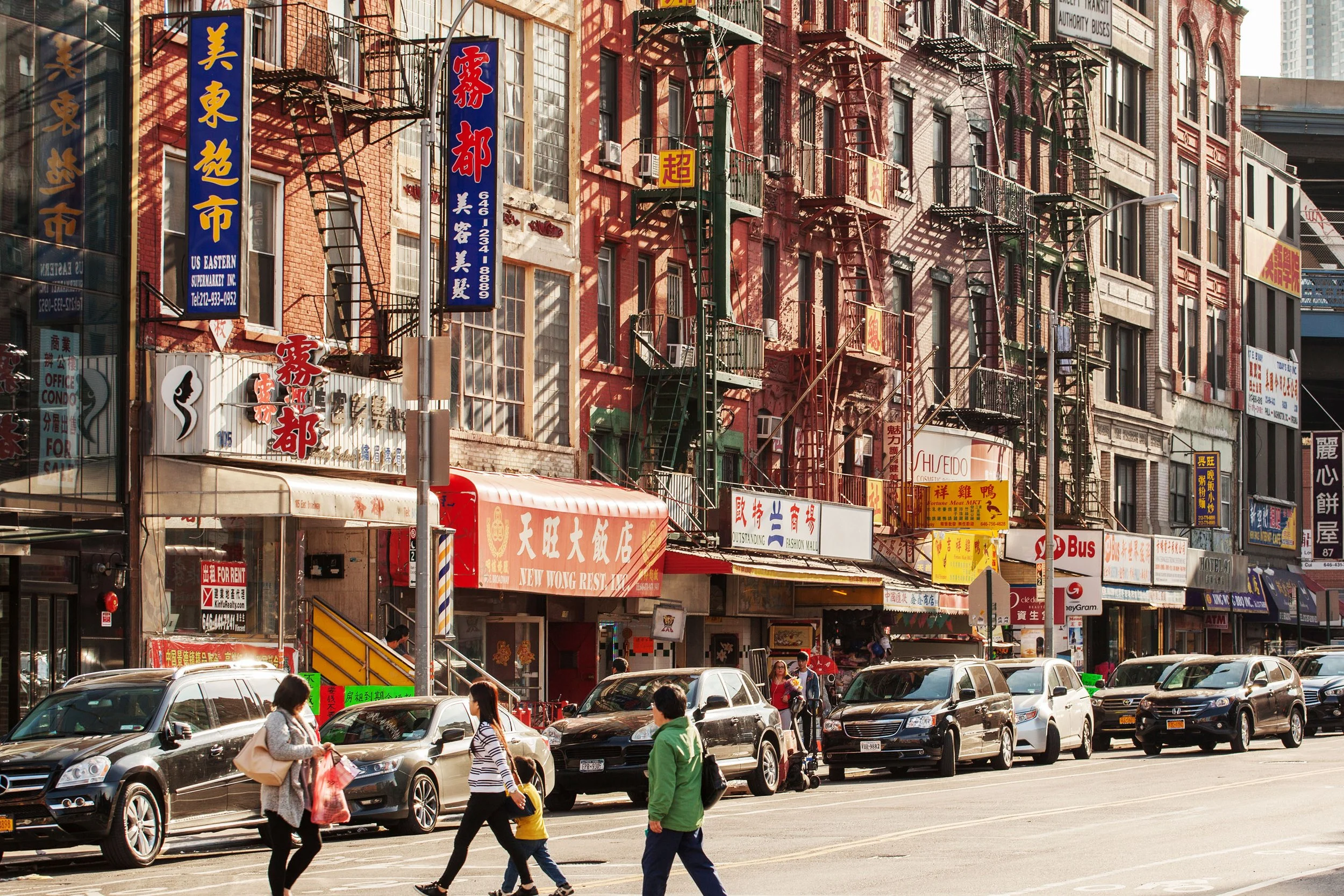
Chinatown in Lower Manhattan is one of the oldest and largest Chinese enclaves in the United States. Known for its dense streets, markets, and restaurants, it has long served as a cultural and economic hub for Chinese immigrants, preserving traditions while adapting to life in New York City.
-
Chinatown began forming in the late 1800s as Chinese immigrants settled in the area amid widespread discrimination. Over time, it grew into a tight-knit community with family associations, temples, and small businesses. Today, it spans several blocks and continues to be shaped by waves of immigration from different regions of China and Asia.
-
In recent years, Chinatown has faced increasing pressure from gentrification and rising rents, particularly due to its proximity to neighborhoods like SoHo and the Lower East Side. Many long-standing businesses and residents have struggled to stay, raising concerns about cultural displacement and the erosion of the neighborhood’s historic identity.
-
Chinatown remains a vital center for Chinese culture, language, and community in New York City. It offers a space where traditions are practiced daily, from festivals and cuisine to language and commerce. The neighborhood reflects the resilience of immigrant communities and their lasting impact on the city’s cultural landscape.
-
Visitors can explore Chinatown through walking tours that highlight its history, food, and cultural landmarks, including temples, markets, and historic streets like Mott and Canal. Food tours are especially popular, offering insight into regional cuisines and the neighborhood’s evolving identity.
Harlem
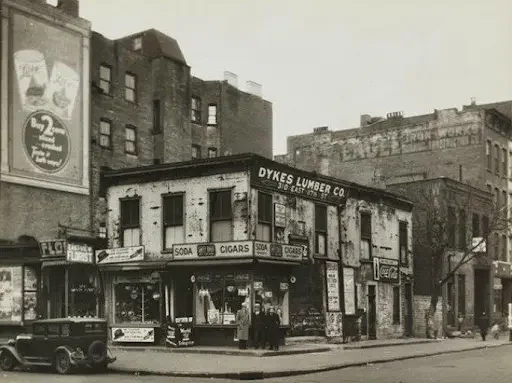
Harlem is one of New York City’s most historically and culturally significant neighborhoods, known as a center of Black culture, arts, and intellectual life. Located in Upper Manhattan, it became the heart of the Harlem Renaissance in the early 20th century, shaping music, literature, and social movements across the United States.
-
Originally a Dutch village, Harlem transformed in the early 1900s as Black Americans migrated north during the Great Migration. It quickly became a thriving cultural hub, with iconic venues like the Apollo Theater and the Cotton Club hosting legendary artists. The neighborhood also played a key role in the civil rights movement and continues to be home to historic churches, brownstones, and community institutions.
-
In recent decades, Harlem has experienced significant gentrification, with rising rents and new developments attracting wealthier residents. While investment has brought new businesses and infrastructure, it has also led to the displacement of long-time residents and concerns about the loss of Harlem’s cultural identity.
-
Harlem remains a symbol of Black excellence, creativity, and resilience. Its influence on jazz, literature, and activism has left a lasting mark on American culture. Today, the neighborhood continues to celebrate its heritage through music, art, and community events, preserving the legacy of the Harlem Renaissance and beyond.
-
Visitors can explore Harlem through guided tours that highlight landmarks like the Apollo Theater, historic brownstones, and churches such as Abyssinian Baptist Church. Walking and cultural tours often include music history, civil rights sites, and local food experiences, offering a deeper understanding of the neighborhood’s past and present.
Grand Central Terminal
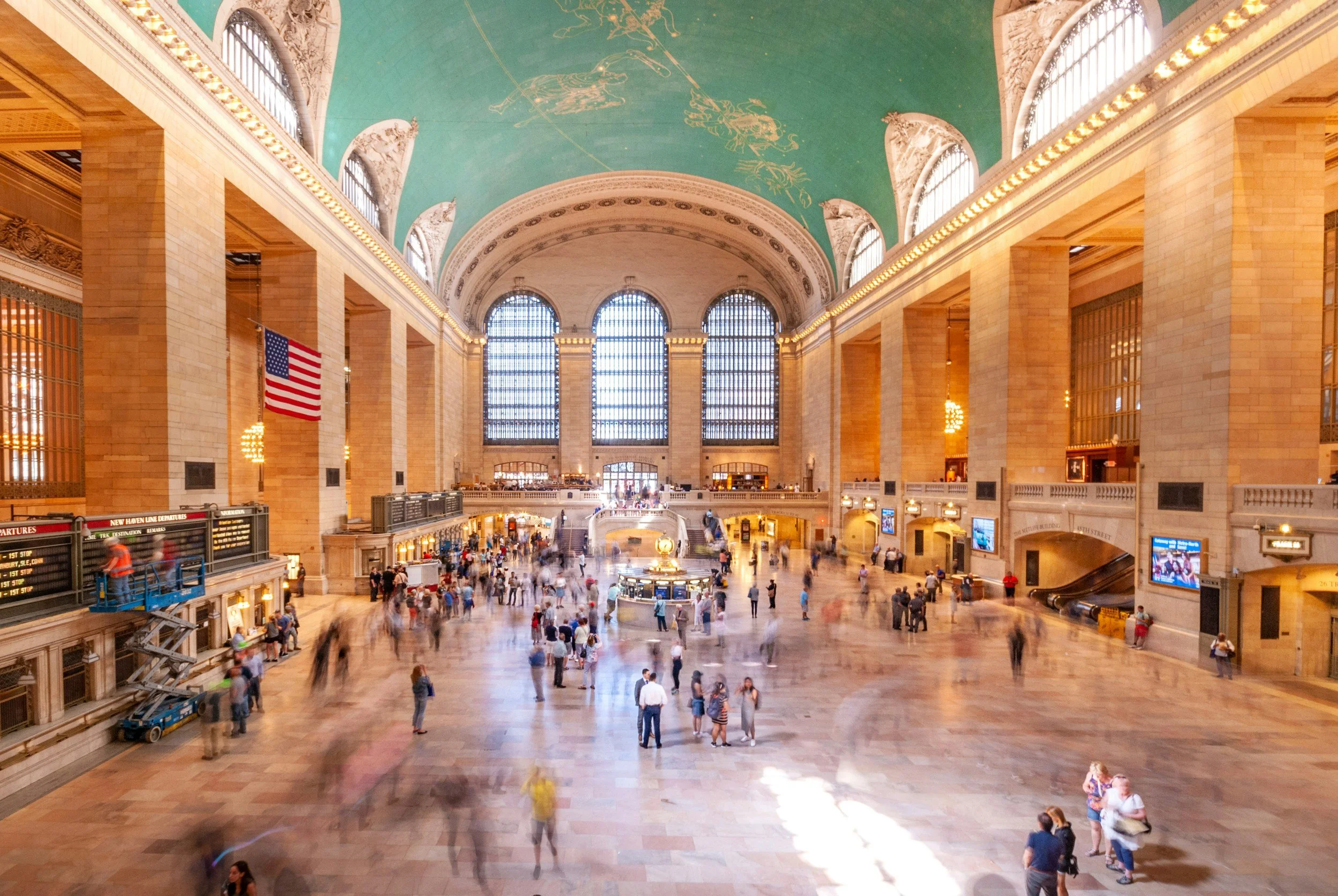
Grand Central Terminal, opened in 1913, is one of New York City's most iconic landmarks and a stunning example of Beaux-Arts architecture. More than just a transit hub, it’s a cultural destination known for its grand Main Concourse, celestial ceiling mural, and bustling atmosphere that blends history with modernity.
-
Designed by the firms Reed & Stem and Warren & Wetmore, the terminal features 44 platforms—more than any other station in the world. Its famous clock, made of opal and valued in the millions, sits atop the central information booth. Grand Central also houses shops, restaurants, and the whispering gallery, where sound travels mysteriously between corners.
-
Over the years, the surrounding Midtown area has undergone significant redevelopment, increasing commercial density and cost of living. Though Grand Central has been preserved through landmark protections, nearby historical buildings have given way to high-rise offices, altering the neighborhood’s historical fabric and impacting longtime small businesses.
-
Grand Central is more than a transit hub—it’s a symbol of New York’s resilience and grandeur. Saved from demolition in the 1970s by a landmark preservation movement led by Jacqueline Kennedy Onassis, the terminal stands as a triumph of architectural advocacy. It's featured in countless films, literature, and art, embodying the city's past and present.
-
Visitors can explore the terminal’s main areas for free or join guided historical tours offered daily. The Grand Central Partnership and other groups lead walking tours that dive into its hidden corners and rich history. Don’t miss the dining concourse, Vanderbilt Hall, or the Campbell Bar, all showcasing the station’s unique blend of elegance and energy.