Miami, Florida
Vizcaya
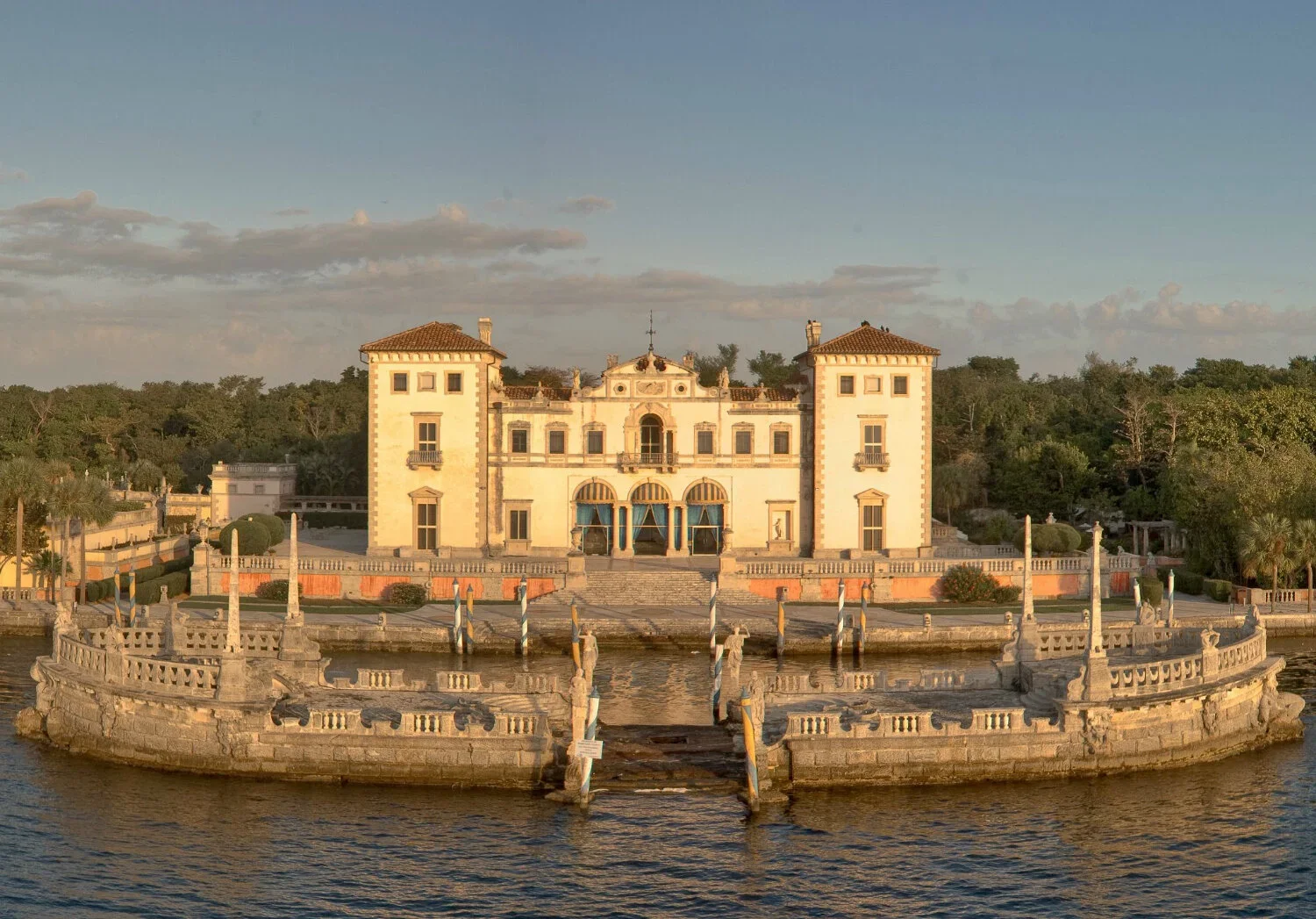
Vizcaya Museum and Gardens is a historic estate in Miami built by industrialist James Deering in the early 1900s. Known for its Italian-inspired architecture and lush gardens, it offers a glimpse into Miami’s early 20th-century luxury and serves as a cultural landmark today.
-
Vizcaya Museum and Gardens, located in the Coconut Grove area of Miami, was constructed between 1914 and 1922 as the winter residence of businessman James Deering. Inspired by Italian Renaissance villas, the estate features ornate European architecture, elaborate interiors, and expansive formal gardens that merge classical design with South Florida’s tropical landscape. Beyond its visual beauty, Vizcaya reflects Miami’s emergence as a destination for wealth and leisure in the early 20th century. Now a museum open to the public, Vizcaya preserves this rich history while hosting exhibitions and events that connect the city’s past to its evolving cultural identity.
-
While Vizcaya itself has been preserved as a historic landmark, its surrounding Coconut Grove neighborhood has experienced waves of gentrification. Historically home to Bahamian immigrants and working-class families, the area has undergone significant redevelopment that has displaced longtime residents and altered the community’s cultural fabric. The preservation of Vizcaya stands in contrast to the changing landscape around it, highlighting the tension between honoring history and the socioeconomic shifts reshaping Miami’s neighborhoods.
-
Vizcaya is more than just an architectural marvel — it’s a symbol of Miami’s complex cultural identity. By blending European design with local materials and tropical landscaping, the estate reflects the city’s status as a crossroads of global influence. Over the decades, Vizcaya has become a cherished public space for education, art, and civic engagement. It serves as a reminder of Miami’s layered history, from early industrial wealth to contemporary efforts at cultural preservation.
-
Vizcaya Museum and Gardens is open to the public throughout the year, offering self-guided and guided tours of its main house and expansive gardens. The museum is located at 3251 S Miami Ave, Miami, FL 33129, and is typically open Thursday through Monday, 9:30 AM to 4:30 PM (closed Tuesdays and Wednesdays). Tickets can be purchased online or at the entrance, with discounts available for students, seniors, and Miami-Dade residents. For an enhanced experience, audio guides and educational programs are also available. Be sure to check the official Vizcaya website for the latest hours, ticketing details, and special events.
Coconut Grove Playhouse
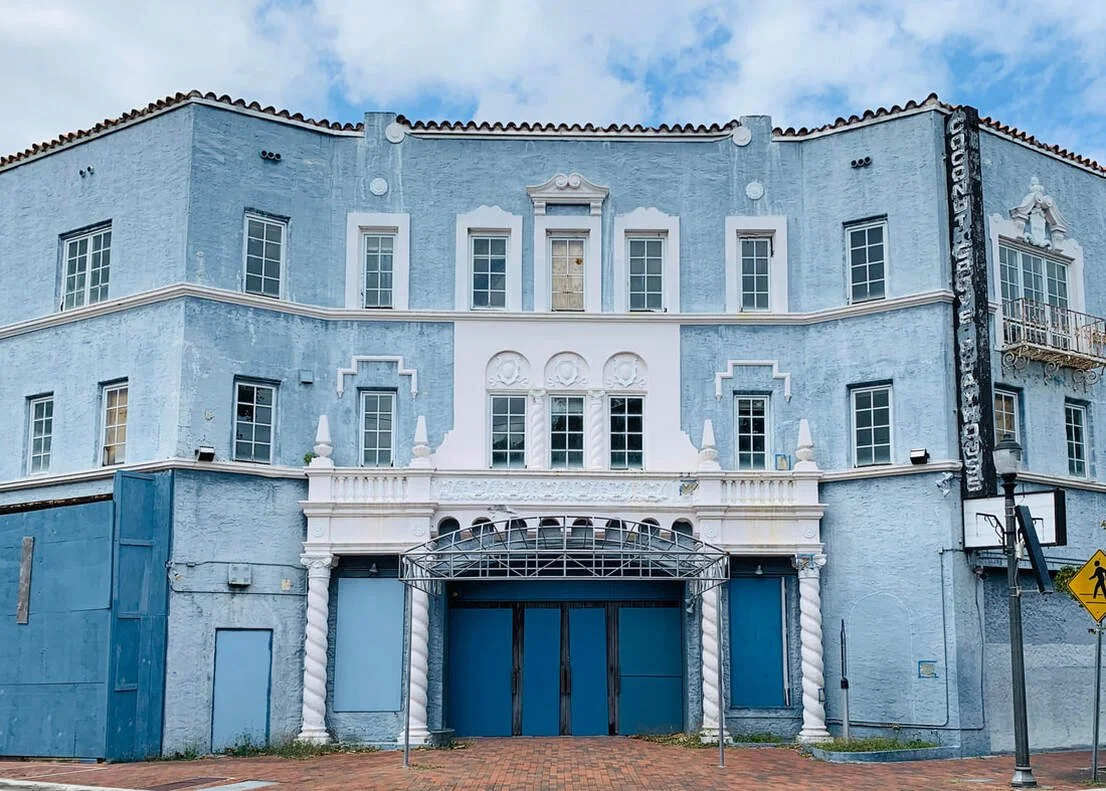
The Coconut Grove Playhouse is a historic theater in Miami's Coconut Grove neighborhood. Built in 1927, it later became a renowned venue for live performances. Though closed since 2006, it remains a symbol of the city’s cultural heritage, with ongoing efforts to restore it as a vibrant arts space.
-
The Coconut Grove Playhouse originally opened as a movie theater and was later converted into a live performance venue, becoming one of the premier regional theaters in the U.S. It hosted numerous pre-Broadway shows and was known for its intimate atmosphere and impressive talent roster.
-
The Playhouse’s closure in 2006 reflects the broader changes in Coconut Grove, where rising property values and redevelopment have shifted the neighborhood’s cultural landscape. The delayed restoration highlights tensions between historic preservation and modern urban development.
-
For decades, the Playhouse was a cornerstone of Miami’s performing arts scene, nurturing local talent and bringing acclaimed productions to South Florida. It holds deep sentimental value for many residents who view it as a key part of the city's creative history.
-
Currently, the Playhouse remains closed to the public. While there are no official tours, visitors can view the exterior of the building and learn more about its history through signage and local walking tours. Future restoration plans may include public access and performances.
Deering Estate
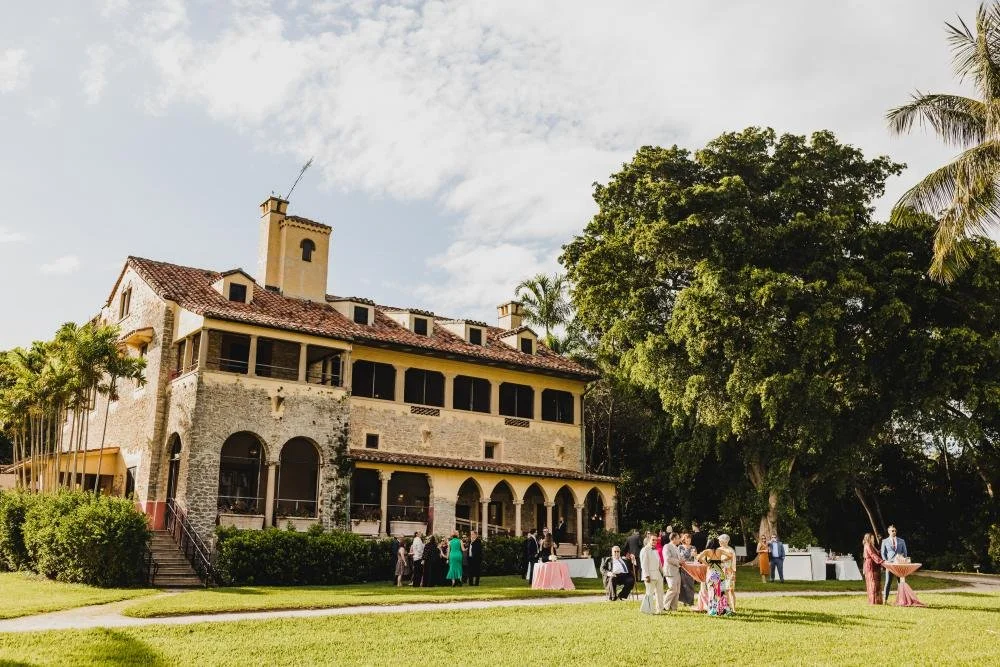
The Deering Estate is a 444-acre environmental and historic preserve located along Biscayne Bay in Palmetto Bay, Florida. Once the winter home of Charles Deering, an industrialist and philanthropist, the estate features historic buildings, tropical hardwood hammocks, and coastal ecosystems that showcase Florida’s natural and cultural heritage.
-
The property includes the 1920s-era Stone House, the Richmond Cottage, and multiple archaeological sites, some dating back thousands of years. It is listed on the National Register of Historic Places and offers a glimpse into early 20th-century life in South Florida.
-
While the Deering Estate itself has remained protected, surrounding areas have experienced gentrification, leading to increased property values and shifting demographics. The estate serves as a reminder of the importance of preserving public green spaces amid urban expansion.
-
The Deering Estate is a hub for arts, science, and education, hosting artist residencies, environmental research, and cultural events. It reflects South Florida’s diverse history — from Indigenous peoples to pioneer settlers — and continues to foster community engagement through its programming.
-
The Deering Estate is open to the public year-round and offers guided and self-guided tours of its historic homes and natural areas. Special events include canoe tours, ghost tours, concerts, and art exhibits. Tickets and program details can be found on the Deering Estate website.
The Kampong
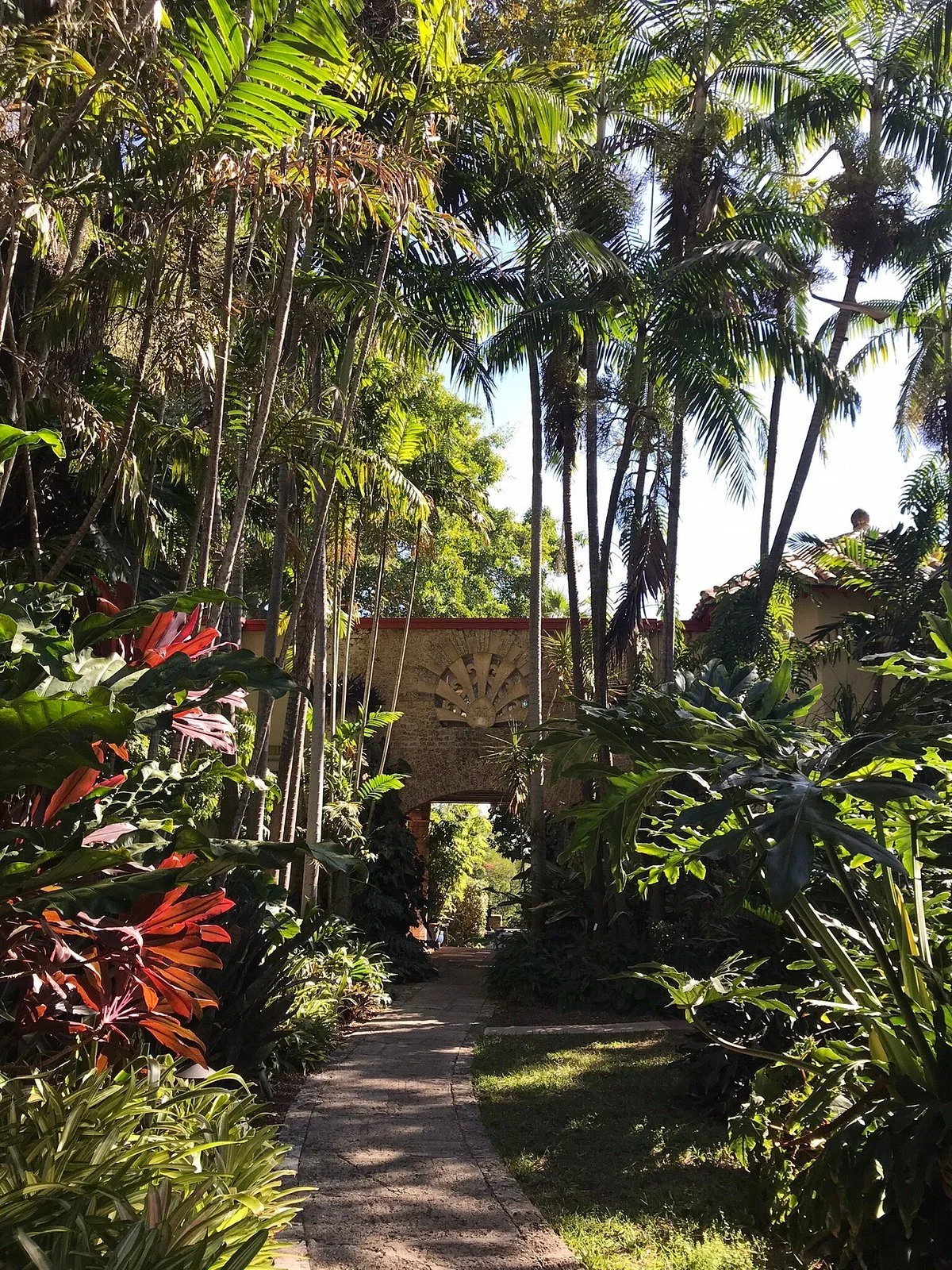
Nestled in the Coconut Grove neighborhood of Miami, The Kampong is a tropical botanical garden and former home of renowned horticulturalist Dr. David Fairchild. This hidden gem showcases an extraordinary variety of exotic plants collected from around the world, offering a peaceful, immersive escape from the bustling city. Its quiet beauty and historical importance make it one of Miami’s most unique and underappreciated landmarks.
-
Originally established in the early 1900s, The Kampong served as Fairchild’s living laboratory for tropical botany. The estate spans nine acres and features rare fruits, flowering trees, palms, and a historic house that once hosted scientists and explorers. It is now part of the National Tropical Botanical Garden and one of only five such gardens in the U.S.
-
The Kampong’s surrounding neighborhood, Coconut Grove, has experienced waves of gentrification that have altered its cultural fabric. Rising property values and luxury development have displaced long-standing Black and Bahamian communities, changing the socioeconomic makeup of the area. While The Kampong has remained preserved, it now exists in a dramatically transformed context, with fewer connections to the community that once surrounded it.
-
Beyond its botanical importance, The Kampong reflects Miami’s rich legacy of scientific exploration, cultural exchange, and environmental stewardship. Dr. Fairchild’s global plant-collecting expeditions symbolized a curiosity about the world, and the estate continues to serve as an educational space that celebrates biodiversity, cross-cultural learning, and ecological awareness.
-
The Kampong is open to the public via guided tours, which are available by reservation. Visitors can walk through shaded garden paths, tour Fairchild’s historic home, and learn about the stories behind the plants and the estate’s history. Advance booking is required, and seasonal events like evening garden walks and lectures are offered throughout the year. Visit ntbg.org/kampong
Miami City Hall
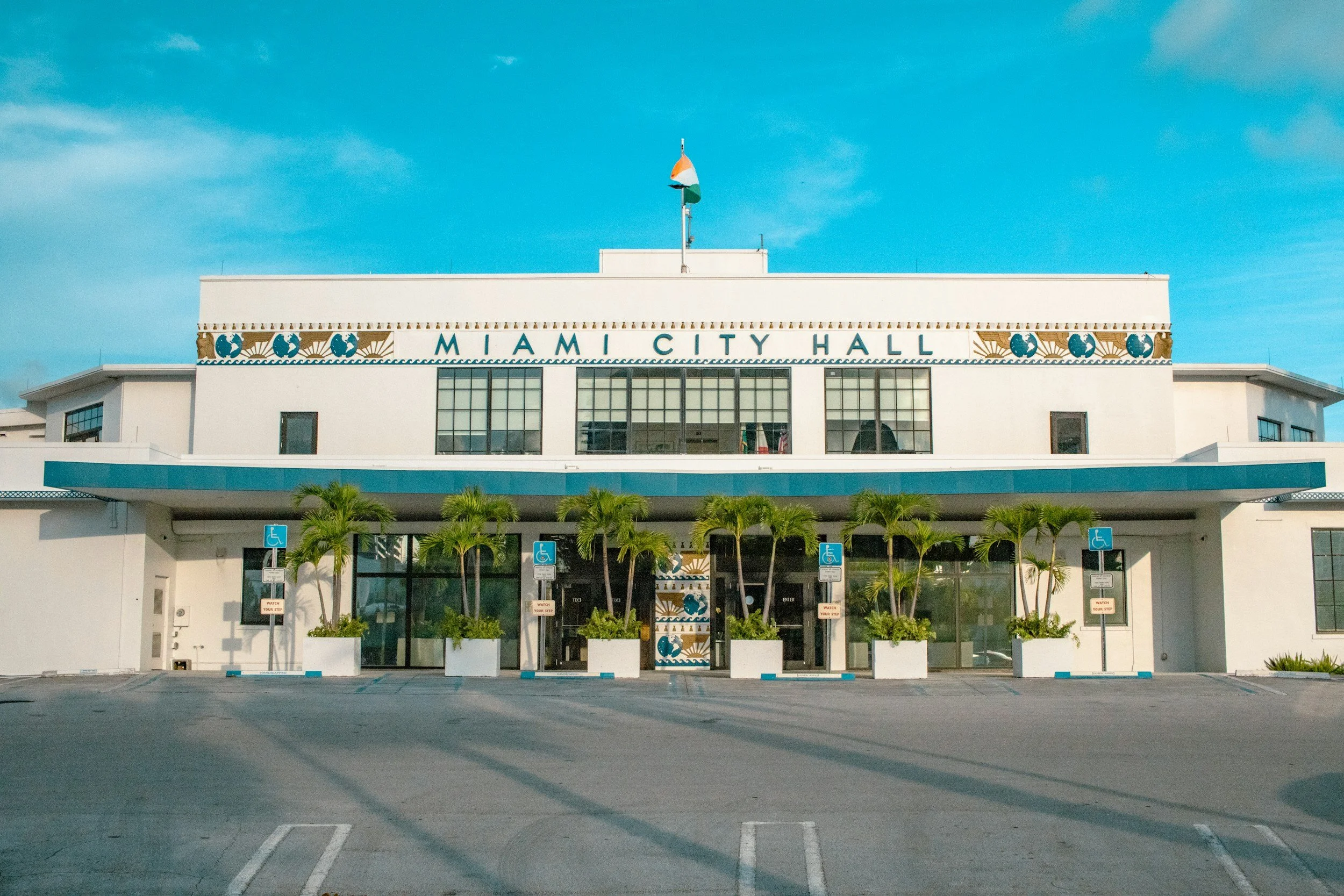
Located on Dinner Key in Coconut Grove, Miami City Hall is the historic heart of the city’s government. Originally built as a Pan American Airways terminal in the 1930s, the building now serves as Miami’s seat of city government. With its Art Deco architecture and waterfront setting, it’s a powerful symbol of the city’s evolution from aviation hub to thriving metropolis.
-
This iconic structure once welcomed international seaplanes during the golden age of air travel. After Pan Am’s decline, the terminal was converted into City Hall in the 1950s. Its large rotunda and nautical design elements reflect Miami’s deep ties to both flight and the sea.
-
The area around City Hall has undergone significant redevelopment, leading to increased property values and a shift toward luxury condominiums and commercial spaces. This transformation has pushed out some of the long-standing residents of Coconut Grove, highlighting tensions between civic development and community preservation.
-
Miami City Hall stands as both a functioning civic center and a preserved piece of architectural history. It connects the past and present, reminding residents and visitors of Miami’s global reach, diverse communities, and transformation over the decades.
-
Visitors can view Miami City Hall from the outside year-round, with public meetings held inside during scheduled hours. While there are no formal tours, the waterfront location offers views of Biscayne Bay and is often included in walking tours of historic Coconut Grove. Check the City of Miami website for meeting schedules and public access information.
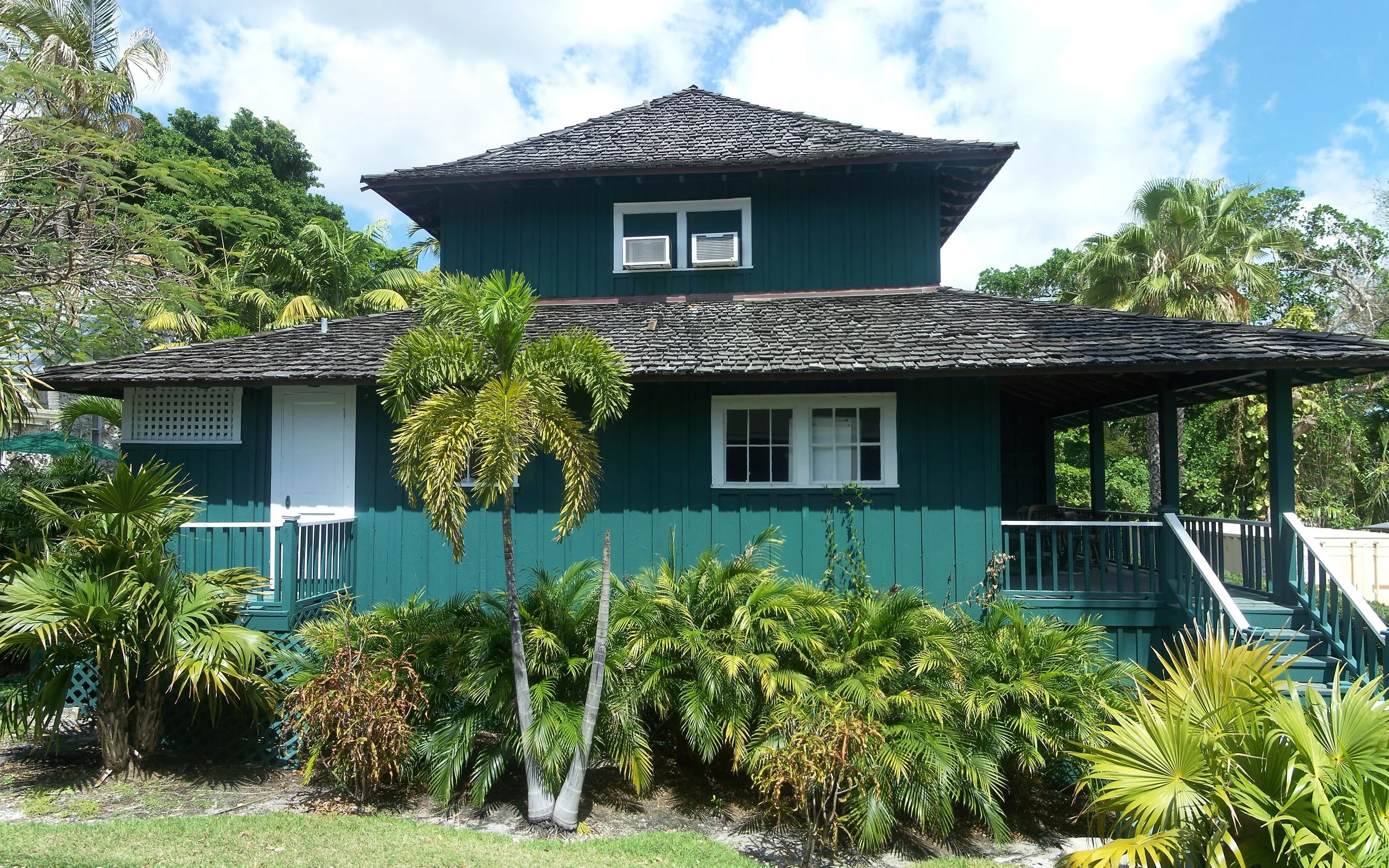
Maria Brown House
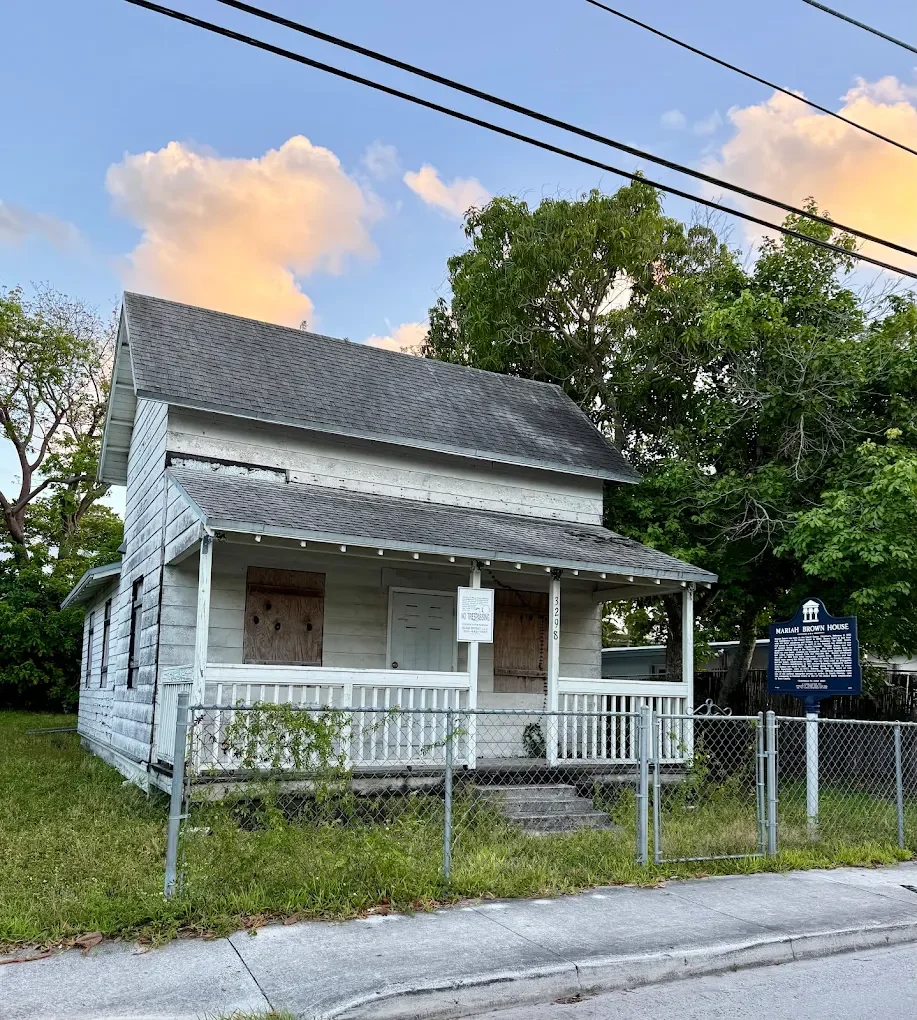
The Maria Brown House is a historic residence located in Coconut Grove, Miami, known for being one of the oldest surviving homes in the neighborhood. Built in the early 1900s, it belonged to Maria Brown, one of the first Black Bahamian settlers in the area, and it stands as a rare example of vernacular architecture from that period.
-
Constructed with Dade County pine and other local materials, the house reflects the craftsmanship and resourcefulness of the Bahamian immigrant community. Though modest in size, its historical value lies in its preservation of early 20th-century building techniques and its role in the formation of one of Miami’s earliest Black neighborhoods.
-
The neighborhood surrounding the Maria Brown House has seen dramatic changes due to gentrification. As property values rise and new developments move in, preserving structures like this becomes more difficult. The home’s survival underscores the importance of safeguarding cultural landmarks in rapidly changing communities.
-
The Maria Brown House is a powerful symbol of Black Bahamian heritage in Miami. It serves as a tangible reminder of the early pioneers who built the foundations of Coconut Grove, contributing to the area's cultural richness and historical depth.
-
While the house is not currently open for public tours, it is a designated historic site and can be viewed from the exterior. Its location makes it a meaningful stop on walking tours focused on Black history and preservation efforts in Coconut Grove. Local historical organizations occasionally feature it in educational programming or neighborhood heritage events.
Ransom Everglades Upper School
Founded in 1903 by Paul Ransom, Ransom Everglades is one of the oldest educational institutions in South Florida. Originally established as the Adirondack-Florida School, it was designed as a progressive, outdoor-focused school for boys, combining academic study with exploration of the natural environment. Today, it remains a prestigious private school, known for its rigorous academics and scenic bayfront campus in Coconut Grove.
-
The school’s historic wooden buildings, lush tropical grounds, and waterfront views provide a unique setting steeped in educational and architectural history. Several original structures from the early 20th century still stand, preserving the school's pioneering spirit and connection to the natural world.
-
As one of the most exclusive private schools in Miami, Ransom Everglades reflects broader patterns of affluence and displacement in Coconut Grove. The surrounding area has experienced rapid gentrification, making it less accessible to the diverse communities that once flourished nearby. The contrast between the school’s long-standing presence and the evolving neighborhood highlights the tensions between legacy institutions and shifting demographics.
-
Ransom Everglades has educated generations of Miami’s civic and cultural leaders, playing a central role in shaping the city’s intellectual and social fabric. Its emphasis on service, honor, and academic excellence has made it a cornerstone of Coconut Grove's identity, while its history tells a story of educational innovation rooted in nature and community.
-
While not open to the general public, the Ransom Everglades campus can be admired from the exterior and is often highlighted on local heritage tours of Coconut Grove. Its historic buildings and waterfront setting make it a visually compelling stop. Those interested in the school’s legacy can explore its archives and history online through the school’s official website and local preservation resources.
Carrollton School of the Sacred Heart
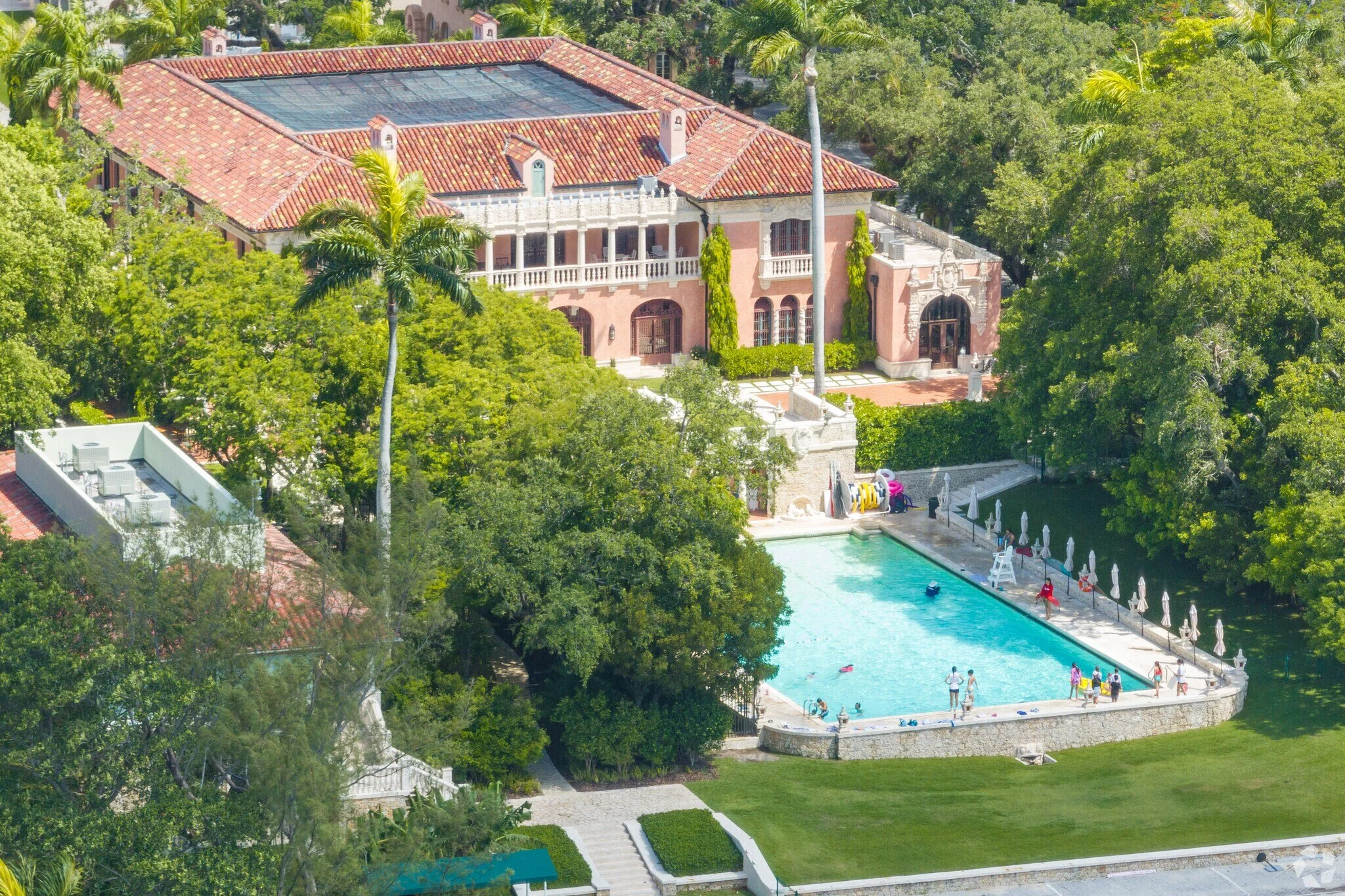
Located in the heart of Coconut Grove, Carrollton School of the Sacred Heart is an all-girls Catholic school founded in 1961. It occupies the historic El Jardin estate, a Mediterranean Revival mansion built in 1918 for industrialist John Bindley. The school blends academic rigor with spiritual values and a commitment to service, making it one of the most respected educational institutions in South Florida.
-
The El Jardin estate, designed by architect Richard Kiehnel, is one of Miami’s architectural treasures. With its ornate stucco walls, red tile roof, and lush tropical gardens overlooking Biscayne Bay, the campus offers a striking example of early 20th-century design. The building is listed on the National Register of Historic Places and remains the symbolic and physical heart of the Carrollton campus.
-
Carrollton’s presence in Coconut Grove reflects broader patterns of wealth and exclusivity in the neighborhood. As nearby areas have seen increased development and displacement, the school’s serene and historic grounds stand in contrast to the rapid change surrounding them. Its location highlights the challenges of preserving both heritage and community inclusiveness in gentrifying neighborhoods.
-
As part of the international Sacred Heart network of schools, Carrollton plays a significant role in shaping young women into compassionate, thoughtful leaders. Its use of the historic El Jardin estate helps preserve a vital piece of Miami’s architectural history while reinforcing the importance of heritage, education, and faith in the city’s evolving identity.
-
Carrollton is a private institution with a gated campus, so general public access is limited. However, the El Jardin estate can be viewed from the surrounding area and is occasionally featured in architectural preservation tours. Those interested in its history can find more through local heritage organizations or the school’s archives and publications.
The Barnacle Historic State Park
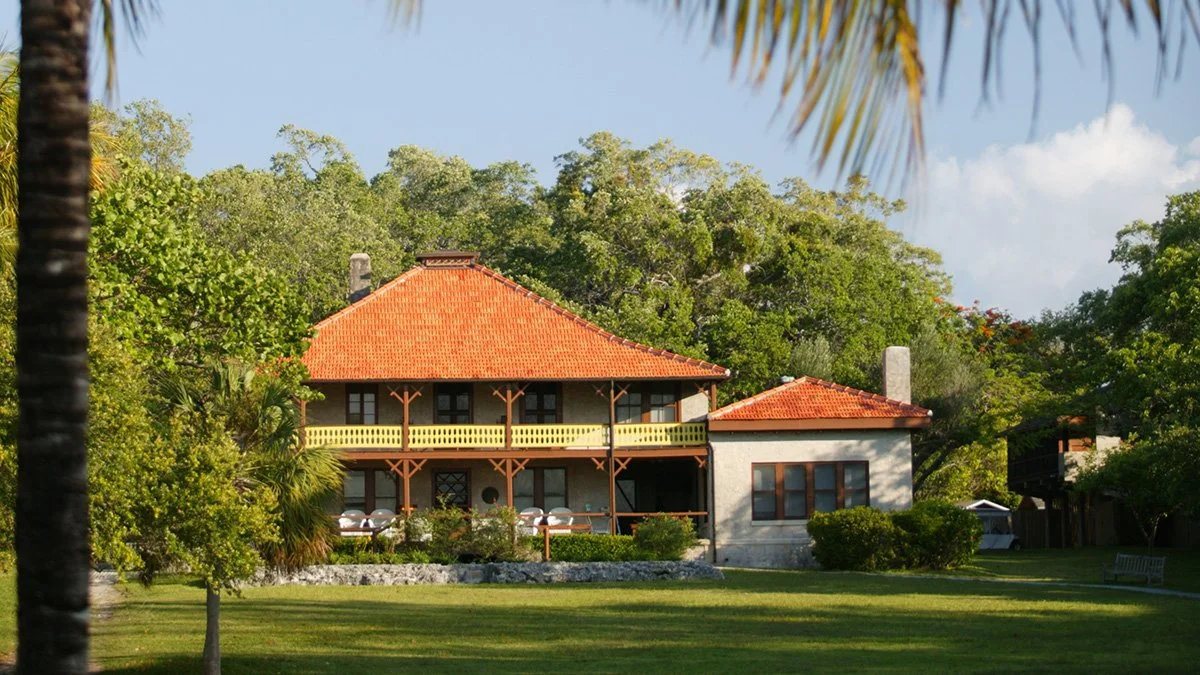
Nestled in the heart of Coconut Grove, The Barnacle Historic State Park preserves the former home of Ralph Middleton Munroe, one of Miami’s most influential pioneers. Built in 1891, the house is the oldest residence in its original location in Miami-Dade County. Set on five acres of lush, native hammock, the park offers a rare glimpse into Miami’s early days and maritime roots.
-
The Barnacle was designed by Munroe himself and features a unique one-story, octagonal shape with a central cupola. It originally overlooked Biscayne Bay, where Munroe launched his boats and contributed to the region’s sailing culture. Today, the house and its grounds serve as a serene escape, surrounded by a canopy of old-growth trees that have stood for over a century.
-
Coconut Grove has experienced waves of gentrification that have altered its social and cultural landscape. The Barnacle stands as a historical anchor in a neighborhood increasingly marked by luxury development. Its continued preservation emphasizes the importance of maintaining public access to green space and cultural heritage in a rapidly evolving urban setting.
-
Ralph Munroe was more than a sailor—he was a writer, photographer, and one of the Grove’s original settlers. The Barnacle reflects his deep respect for nature and craftsmanship and serves as a physical reminder of the Grove’s bohemian and maritime past. It remains a symbol of the community’s long-standing connection to the bay and to Miami’s early identity.
-
The Barnacle Historic State Park is open to the public and hosts guided tours of the home, along with seasonal events like outdoor concerts, vintage maritime festivals, and historical reenactments. It’s a family-friendly destination where visitors can picnic, enjoy the view of the bay, and walk through a rare example of South Florida’s native hardwood hammock ecosystem.
Overtown Neighborhood
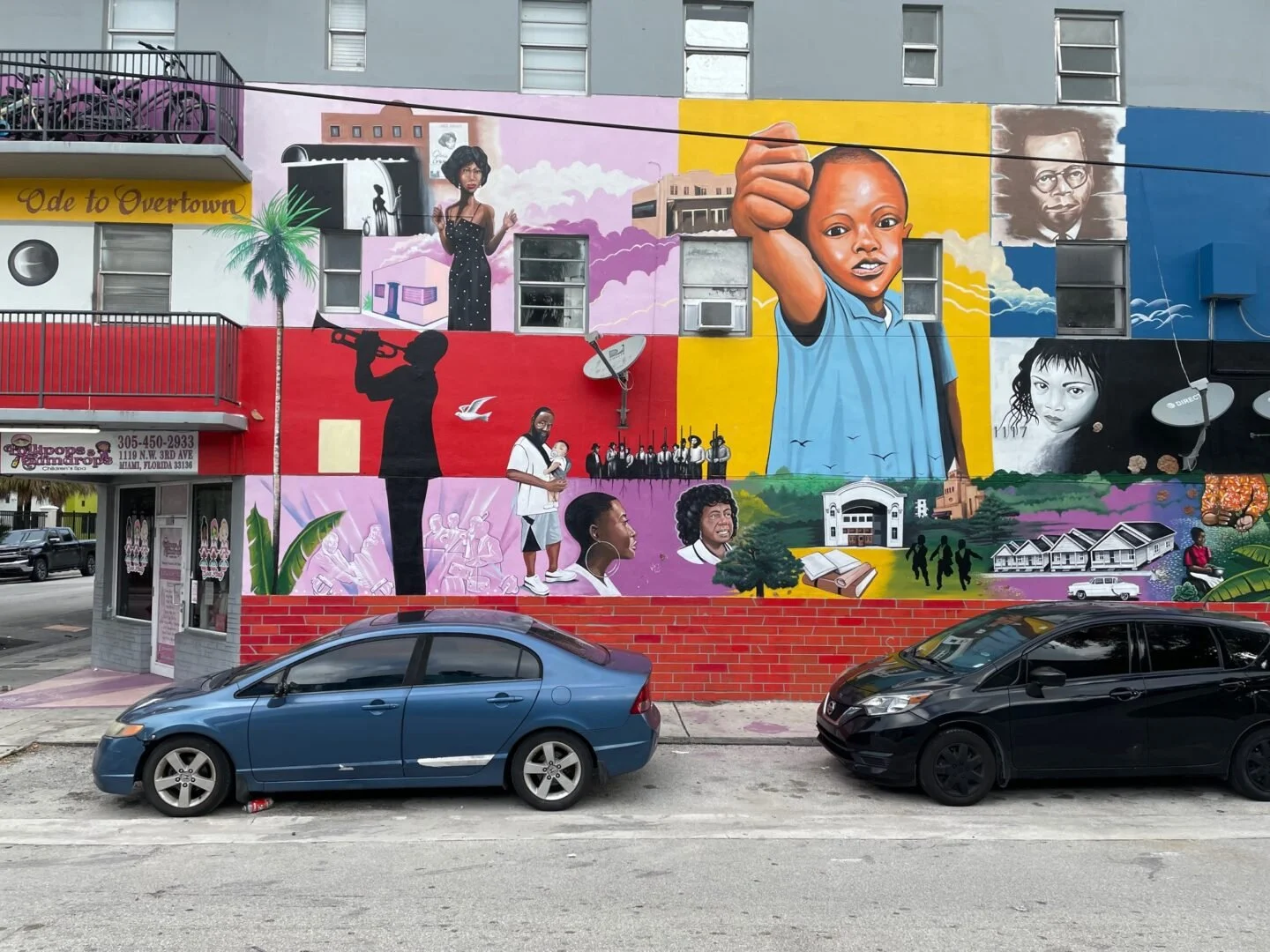
Overtown is one of Miami’s most historically significant neighborhoods, known as the cultural heart of Black Miami in the early 20th century. Once called the “Harlem of the South,” it was a vibrant center for music, business, and community life, hosting legendary artists and serving as a hub for Black culture during segregation.
-
In its peak from the 1930s to 1950s, Overtown was home to thriving Black-owned businesses, theaters, and nightlife along Northwest Second Avenue. Notable venues like the Lyric Theater and hotels hosted artists such as Ella Fitzgerald and Louis Armstrong. However, the construction of I-95 in the 1960s displaced thousands of residents and disrupted the neighborhood’s economic foundation.
-
Overtown has faced decades of disinvestment followed by recent waves of redevelopment. While new projects aim to revitalize the area, rising property values and outside investment have raised concerns about displacement and the erasure of long-standing communities. The neighborhood reflects ongoing tensions between revitalization and preserving cultural identity.
-
Overtown remains a powerful symbol of resilience and cultural legacy in Miami. It played a central role in shaping the city’s Black history, arts scene, and civil rights movement. Today, efforts to preserve landmarks like the Lyric Theater and celebrate Overtown’s heritage continue to honor the stories and contributions of its residents.
-
Visitors can explore Overtown through guided cultural and historical tours that highlight key landmarks such as the Lyric Theater, Ward Rooming House, and historic churches. Local organizations and preservation groups occasionally offer walking tours and events that provide deeper insight into the neighborhood’s past and ongoing transformation.
Tequesta Archeological Site
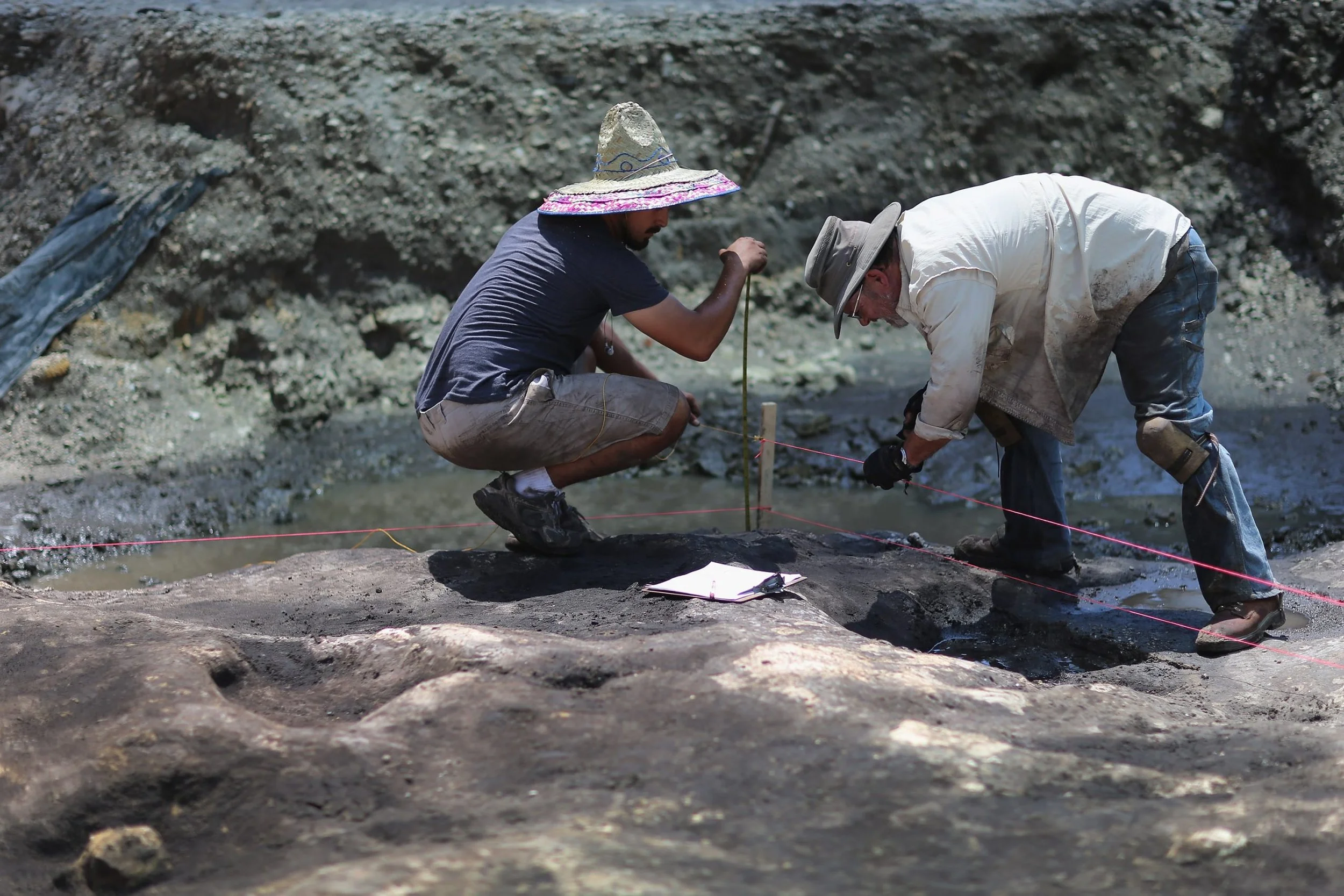
The Tequesta Archaeological Site marks one of the earliest known human settlements in Miami, dating back over 2,000 years. Located along the Miami River, this site was home to the Tequesta people, a Native American tribe that lived in South Florida long before European contact. It offers a rare glimpse into Miami’s pre-colonial history.
-
The Tequesta built their community near the mouth of the Miami River, relying on fishing, hunting, and gathering rather than agriculture. Archaeological findings include tools, pottery, and burial remains, many of which were discovered during excavations in the 20th century. Today, parts of the site are preserved near the Miami Circle, a mysterious formation believed to have ceremonial significance.
-
As downtown Miami rapidly developed, much of the original Tequesta land was built over by modern infrastructure, including high-rise buildings and commercial developments. The discovery of the Miami Circle in 1998 sparked preservation efforts, highlighting the tension between urban expansion and protecting Indigenous heritage sites.
-
The site is one of the few remaining physical connections to Miami’s Indigenous past. It challenges the narrative that Miami’s history began with modern development and instead emphasizes the deep, longstanding presence of Native communities. Preserving and acknowledging the Tequesta legacy is essential to understanding the city’s full history.
-
The site is accessible to the public at the Miami Circle park along the Miami River. While there is limited signage, guided tours are occasionally offered by local historical and cultural organizations. Visitors can walk the grounds and view interpretive displays that explain the archaeological findings and historical context.
Little Haiti
Little Haiti is a vibrant cultural neighborhood in Miami that serves as the heart of the city’s Haitian community. Known for its colorful murals, Caribbean cuisine, and lively arts scene, it reflects the traditions, resilience, and identity of Haitian immigrants who began settling in the area in large numbers in the late 20th century.
-
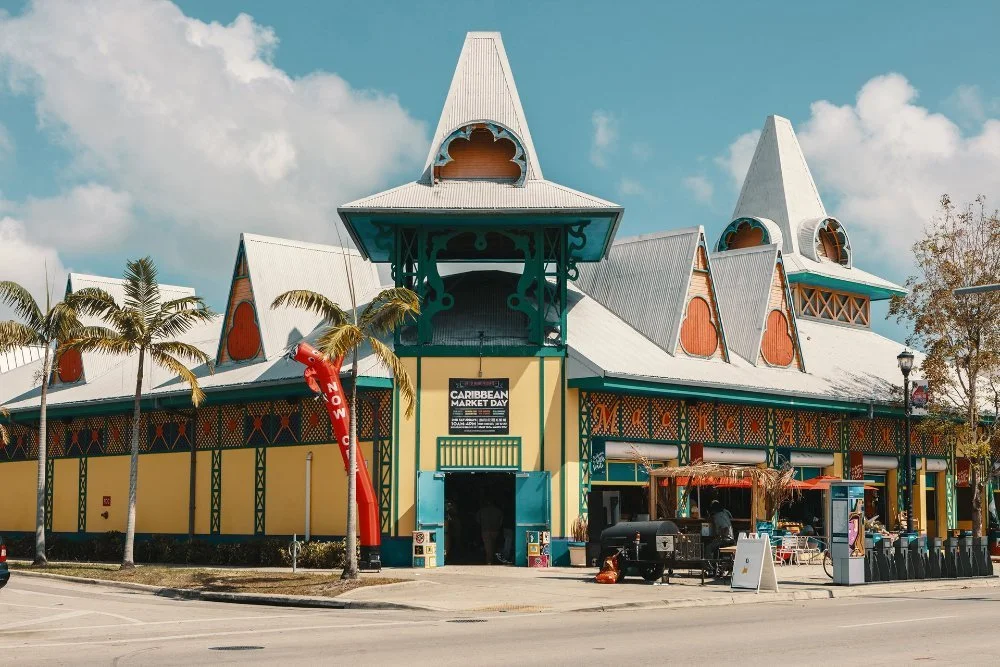
The neighborhood grew rapidly in the 1980s as Haitian immigrants established businesses, churches, and cultural institutions. Today, landmarks like the Little Haiti Cultural Complex and the Caribbean Marketplace celebrate Haitian art, music, and history. The area is also home to local galleries, community centers, and street art that highlight its creative spirit.
-
Little Haiti has become a focal point of gentrification in recent years, as developers invest in new residential and commercial projects. Rising rents and property values have made it increasingly difficult for long-time residents and small businesses to remain, raising concerns about displacement and the loss of cultural identity in the neighborhood.
-
Little Haiti plays a crucial role in preserving Haitian heritage in Miami. It serves as a cultural hub where traditions, language, and community ties are maintained and celebrated. Events like art festivals and cultural gatherings continue to honor Haitian history and ensure that the neighborhood’s identity remains visible and valued.
-
Visitors can explore Little Haiti through guided cultural tours, art walks, and community events that highlight local murals, markets, and cultural landmarks. The Little Haiti Cultural Complex is a great starting point, offering exhibits, performances, and resources for learning more about the neighborhood’s history and ongoing evolution.
Stiltsville
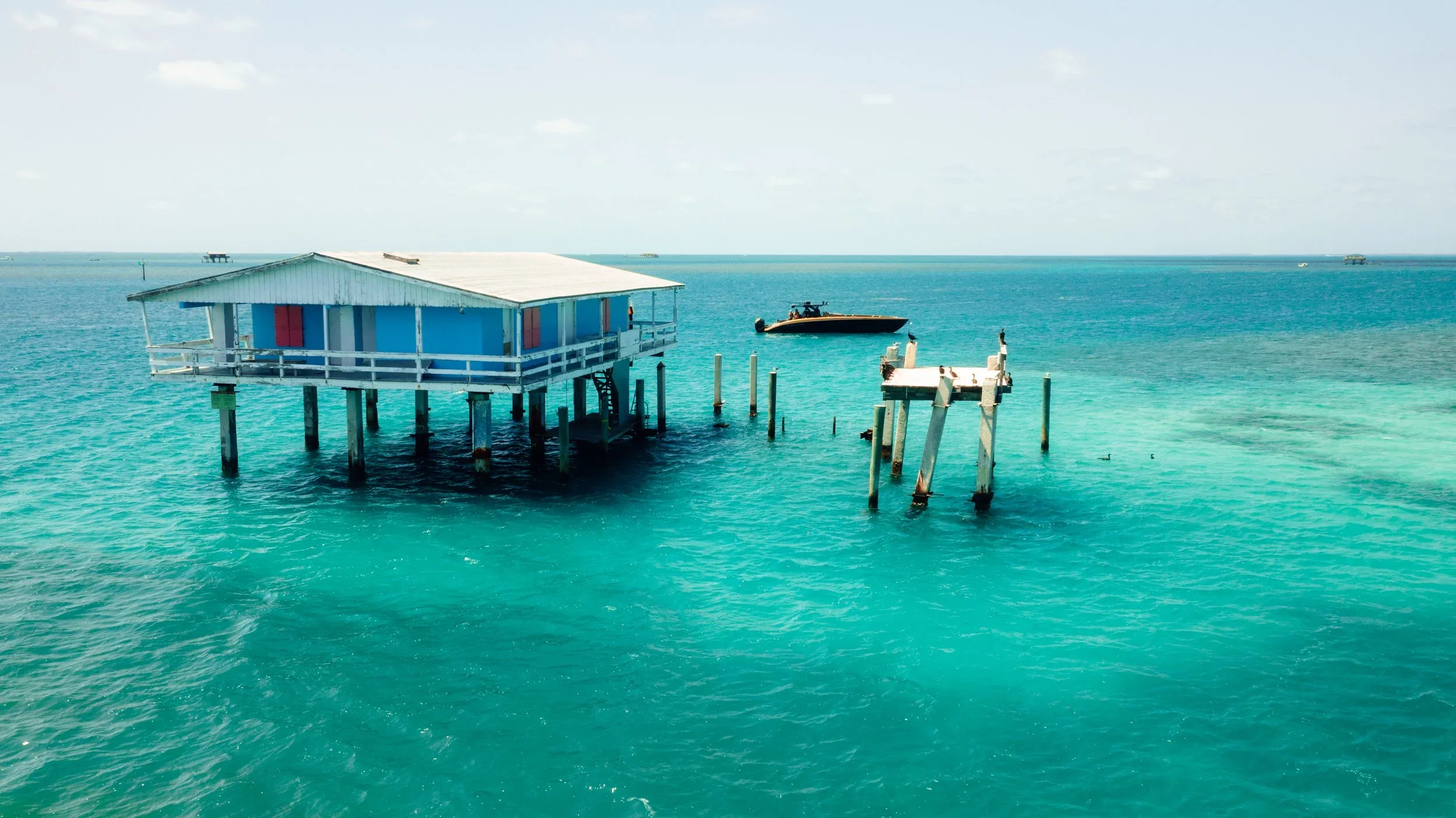
Stiltsville is one of Miami’s most unique historical sites: a collection of wooden houses perched on stilts in the shallow waters of Biscayne Bay, about a mile offshore from Cape Florida. Originally built in the 1930s, these houses have withstood hurricanes, legal battles, and time itself. Today, Stiltsville represents a forgotten slice of Miami’s eccentric social history and maritime culture.
-
At its peak in the 1950s and ’60s, Stiltsville had over two dozen structures used as social clubs, private getaways, and gathering spots for the elite and the unconventional alike. Built above the water on sandbanks, the structures had no land access—visitors had to arrive by boat. Though only seven buildings remain today, they are preserved in partnership with the National Park Service and evoke a mysterious, off-the-grid lifestyle.
-
While Stiltsville itself is isolated from land-based development, it serves as a powerful contrast to Miami’s expanding luxury waterfront properties. As Biscayne Bay becomes increasingly privatized and environmentally stressed, Stiltsville’s survival symbolizes a tension between preservation and progress. Its rustic charm challenges the narrative of polished coastal living, highlighting the importance of cultural memory in a rapidly gentrifying region.
-
Stiltsville has long inspired local folklore, art, photography, and even TV shows like Miami Vice. It was known as a rebellious hideaway for those seeking leisure outside the city’s social norms. The remaining structures serve as icons of Miami’s wilder, more experimental past, showcasing a spirit of independence, improvisation, and community beyond the shoreline.
-
While you can’t freely walk through the houses, you can view Stiltsville by boat, kayak, or via guided eco-tours that explore Biscayne National Park. Several local operators offer narrated tours that include the history of the structures, wildlife spotting, and breathtaking views of the bay. It’s a must-see for anyone interested in Miami’s coastal history and architectural oddities.