

Past Path is a website that helps travelers, locals, and curious learners explore the historical sites of Miami while educating users about the impact of gentrification.
[ Information ]Past Path is your gateway to the world’s historic places, right from the palm of your hand. With a single tap you can explore detailed histories and iconic city centers. Designed to make history accessible, Past Path lets you journey through time and discover architectural marvels, cultural heritage, and the evolving stories of cities worldwide. Beyond historic places, Past Path also helps you learn about gentrification by showing how neighborhoods transform over time and how history, culture, and community are reshaped in the process. Whether you are a history enthusiast, a travel lover, or simply curious, Past Path offers a rich immersive experience that brings both the past and present to life wherever you are.
[ DESTINATIONS ]Featured Cities
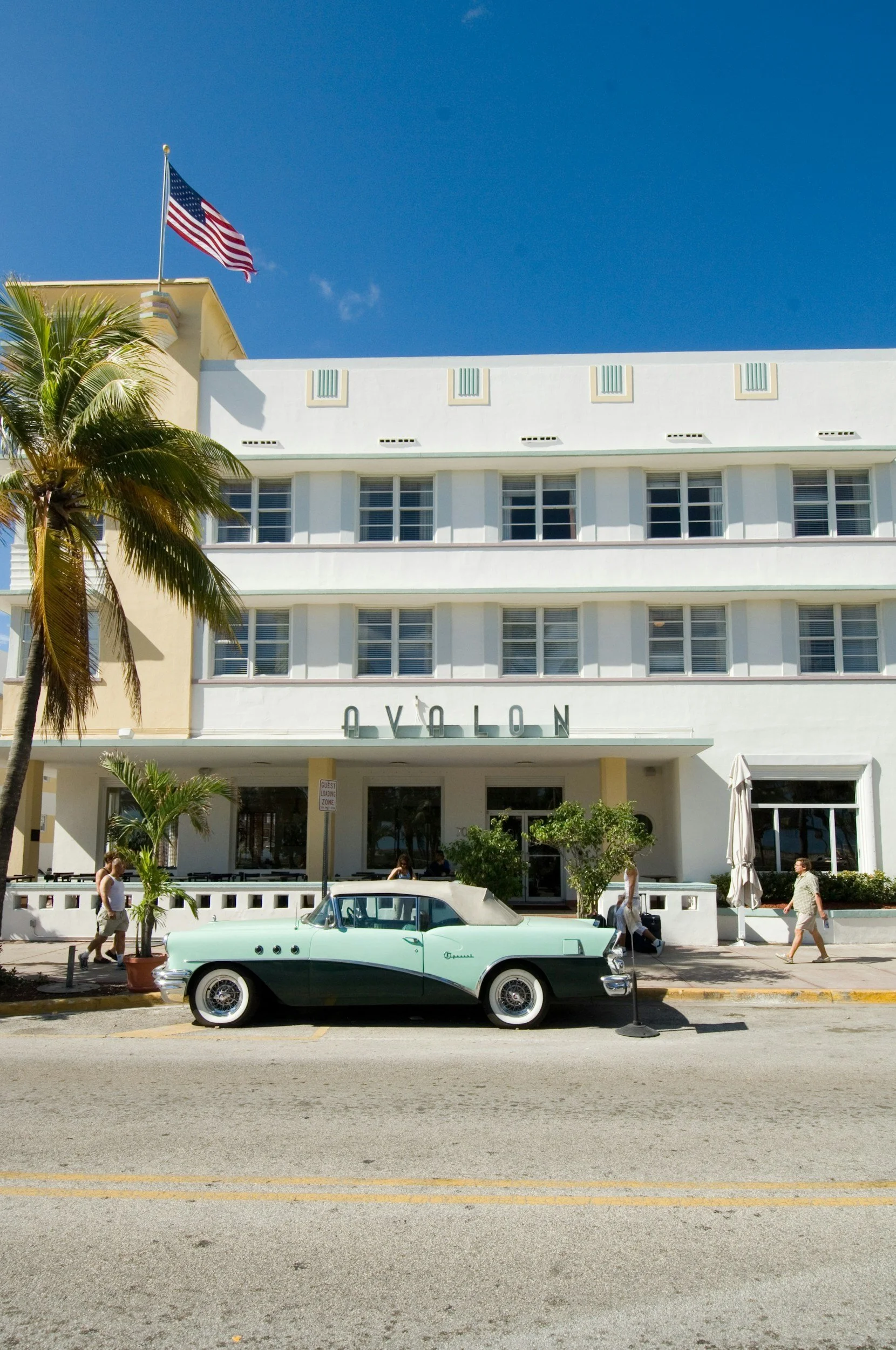
Miami, Florida
Miami is a city rich in history, culture, and architectural diversity — from its early Indigenous roots to its vibrant modern identity shaped by immigration, art, and coastal development.
Past Path’s Miami collection highlights key landmarks that tell this story. Explore the Vizcaya Museum, a grand waterfront estate with European-inspired design; the Coconut Grove Playhouse, a symbol of the city’s performing arts legacy; and the Deering Estate, a preserved site that blends natural beauty with deep historical roots.
Each location offers a unique lens into Miami’s evolving identity, showcasing both its cultural richness and the effects of gentrification on local communities.
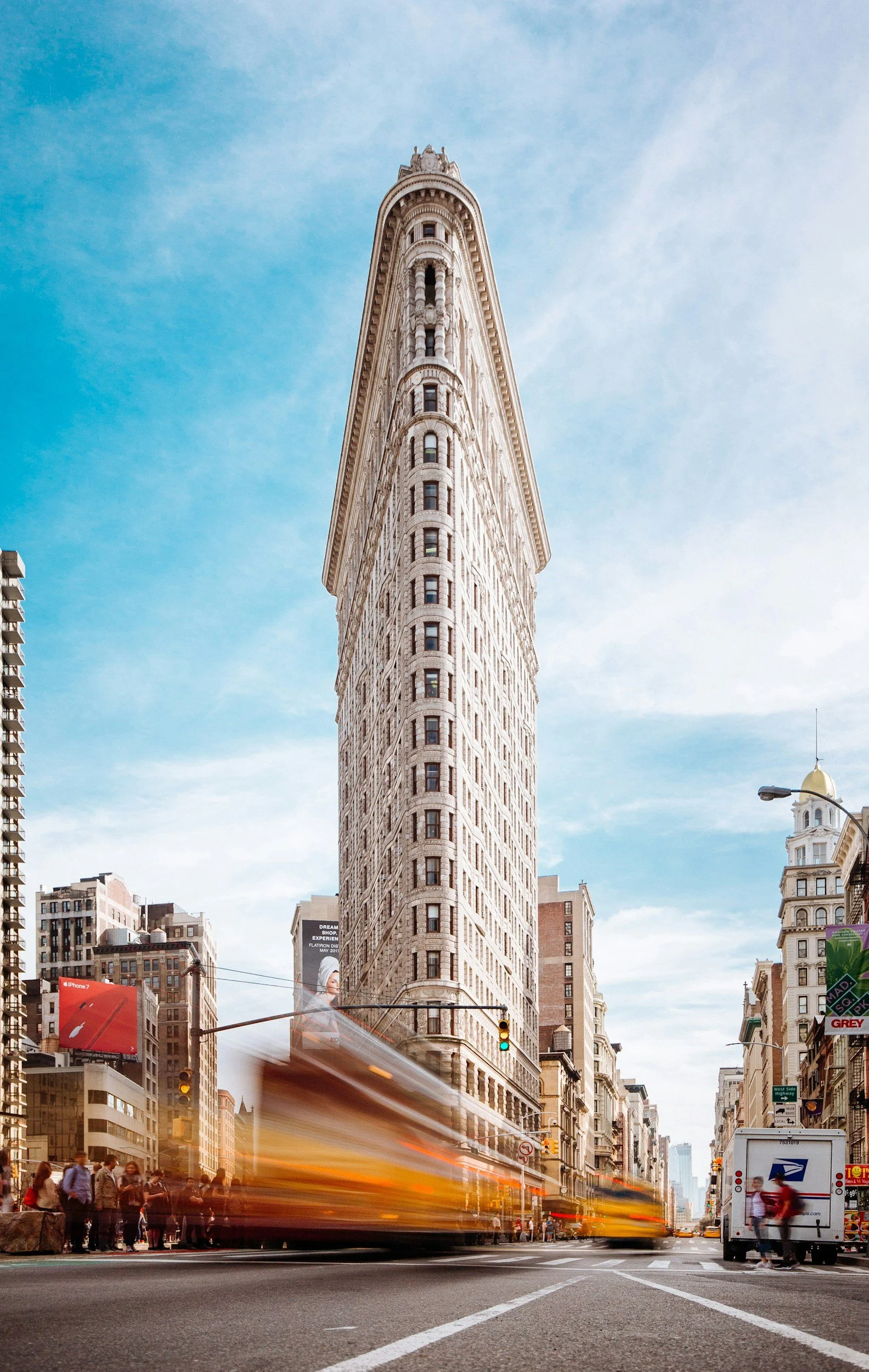
New York City, New York
New York City is a global icon of innovation, culture, and architectural achievement. Its skyline tells the story of a city that has long stood at the crossroads of history, immigration, and rapid transformation.
Past Path’s New York City collection features three landmark sites: the Flatiron Building, known for its distinctive triangular shape and early steel-frame construction; the Chrysler Building, a shining example of Art Deco design and 1930s ambition; and Grand Central Terminal, a bustling transportation hub with Beaux-Arts elegance and a hidden history beneath its iconic ceiling.
Together, these landmarks reveal how New York has evolved—architecturally and socially—while prompting conversations about preservation, accessibility, and the changing face of the city.